

By Patrick Titus, Uyo
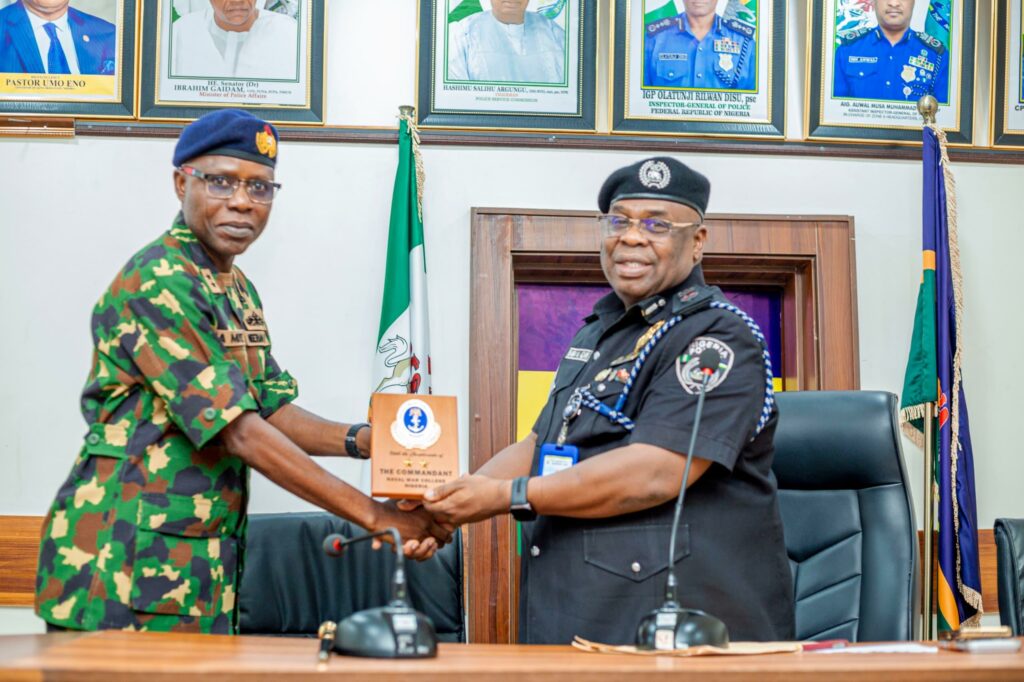
The Commissioner of Police, Akwa Ibom State Command, CP Baba Mohammed Azare, on Monday, received the Commandant of the Naval Warfare College Nigeria, Rear Admiral M.A. Muye, alongside members of Naval Warfare Course 10, who were on an operational study visit to Akwa Ibom State as part of their strategic training programme.
The visit formed part of the participants’ field study on the theme: “Maritime Security and Socio-Economic Development: Akwa Ibom State in Perspective,” designed to expose senior military officers to contemporary security dynamics and the critical relationship between maritime security and national economic development.
CP Azare highlighted Akwa Ibom State’s strategic maritime significance within Nigeria’s coastal architecture, noting that the state occupies a pivotal position along the Gulf of Guinea and serves as a major hub for oil and gas production, maritime transportation, fisheries, tourism and other economic activities that contribute significantly to national revenue generation.
He observed that while the maritime sector remained a major driver of economic growth, it continues to face complex security threats, including sea piracy, armed robbery at sea, kidnapping along waterways, illegal oil bunkering, pipeline vandalism, smuggling, human trafficking, environmental crimes and other forms of transnational organized criminal activities.
The Commissioner emphasized that maritime security remained a fundamental prerequisite for sustainable socio-economic development, stressing that no nation can fully harness the benefits of its maritime resources in an atmosphere of insecurity.
He noted that a secure maritime environment attracts investment, protects critical national assets, promotes commerce, creates employment opportunities, enhances government revenue, and improves the overall well-being of coastal communities.
CP Azare outlined the Command’s ongoing efforts through intelligence-led policing, waterway patrol operations, protection of critical infrastructure, community engagement initiatives, crime prevention strategies and robust collaboration with sister security agencies operating within the maritime domain.
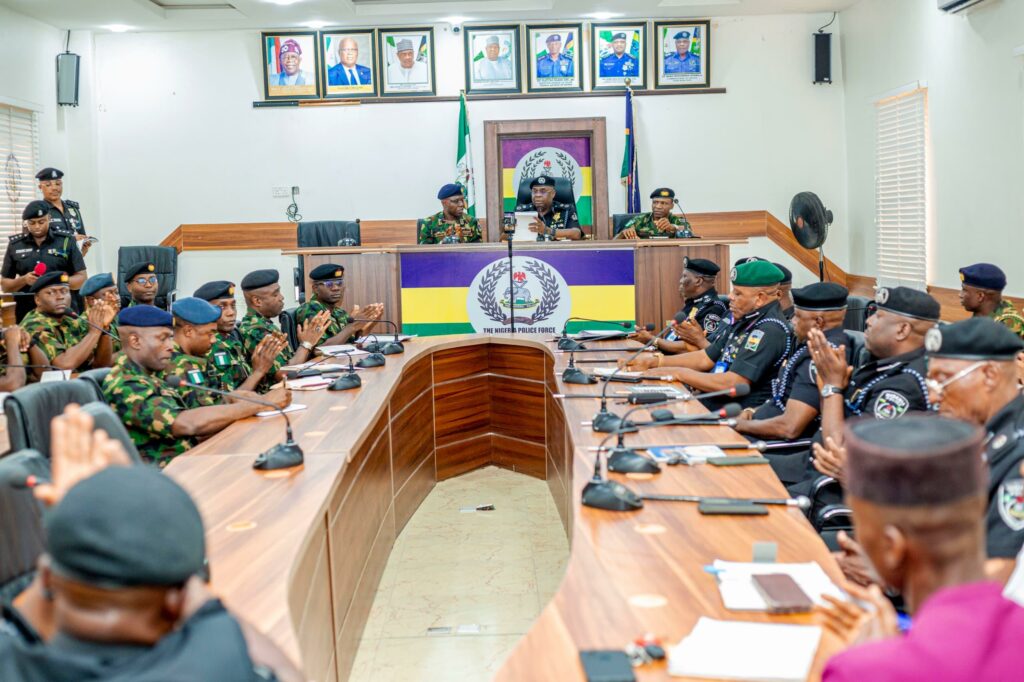
The Commissioner further underscored the importance of inter-agency cooperation in combating maritime threats, stating that effective maritime security requires a coordinated approach involving the Nigerian Navy, Nigeria Police Force, Nigerian Maritime Administration and Safety Agency (NIMASA), Nigerian Security and Civil Defence Corps (NSCDC), Department of State Services (DSS), Nigeria Customs Service, Nigeria Immigration Service, Economic and Financial Crimes Commission (EFCC), and relevant community stakeholders.
According to him, the growing sophistication of maritime crimes demands stronger intelligence sharing, joint operations, improved surveillance capabilities, deployment of modern technology, enhanced protection of oil and gas installations, and sustained capacity building for security personnel.
CP Azare reiterated unwavering commitment to strengthening partnerships with the Nigerian Navy and other security agencies in safeguarding the nation’s waterways, protecting critical national assets, combating maritime crimes, and fostering an environment conducive to sustainable socio-economic development.
He said the Command remained resolute in its mandate of ensuring the safety of lives and property while supporting all initiatives aimed at advancing national security and economic growth.
The Commandant of the Naval Warfare College Nigeria, Rear Admiral M.A. Muye, commended the Akwa Ibom State Police Command for its operational achievements and contributions towards maintaining peace, security and stability within the state.
He noted that the insights gained during the visit would greatly enrich the academic and operational experiences of participants of Naval Warfare Course 10.
The study visit provided a strategic platform for professional engagement, knowledge exchange, and collaborative discussions on emerging maritime security challenges and the development of practical solutions capable of enhancing security and economic prosperity within Nigeria’s maritime domain.
