

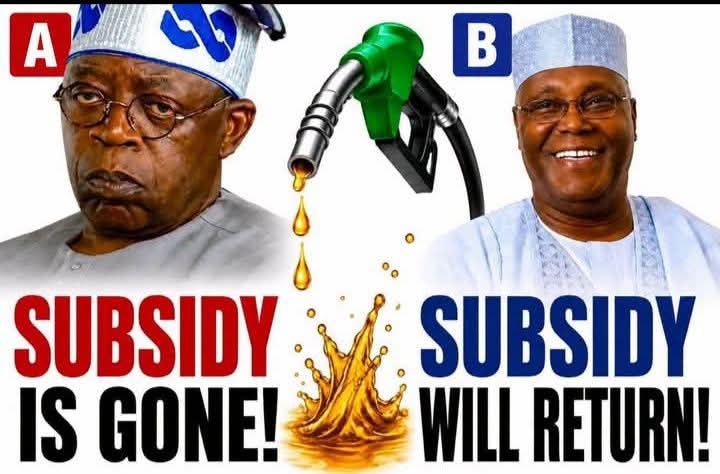
The Nigerian National Petroleum Company Limited, the state-owned oil company. has raised its pump price for petrol to ₦1,405 per litre at its retail stations nationwide, deepening frustration among commuters and transport workers who had briefly benefited from a lower price.
The latest NNPC petrol price increase reverses the October 12 cut to ₦1,370 per litre — itself the first downward adjustment since the removal of the fuel subsidy in 2023. The new price came into effect without prior public announcement, with many Nigerians discovering the change only when they arrived at filling stations.
The ₦1,405 Price and the App-Only Discount
NNPC’s current offer includes a discount of ₦66 per litre for customers who pay through the official NNPC Fuel App, bringing the effective pump price down to ₦1,339 for app users. However, the digital-only discount has attracted sharp criticism from consumer groups and transport unions who point out that a large proportion of Nigerians — particularly older motorists, those in rural areas and daily commuters — do not use the app and therefore pay the full ₦1,405 price.
Critics have described the app-only model as a two-tier pricing system that disadvantages Nigeria’s most economically vulnerable fuel consumers. Transport unions say their drivers fill vehicles at the full ₦1,405 rate, as fleet operators generally do not purchase fuel through consumer apps.
Transporters Raise Fares, Commuters Pay the Difference
Within days of the new price taking effect, transport associations in Lagos, Abuja, Kano, Port Harcourt and other major cities announced fare increases. In Lagos, bus fares on several major routes rose by between ₦100 and ₦200 per trip, while tricycle and motorcycle taxi operators in Abuja raised their base fares. Long-distance transporters also announced intercity fare increases.
For daily wage earners in Nigeria’s major cities, where commuting costs can represent a significant share of income, the fare increase compounds an already difficult cost-of-living situation. Many Nigerians are already managing the effects of persistent food price inflation, a weakened naira and rising utility costs.
Transport sector representatives who spoke to The Gazette said they had no choice but to pass the cost increase on to passengers, as petrol is the primary operating expense for most commercial vehicle operators and there is no government relief to cushion the impact.
Background: From Subsidy Removal to Multiple Price Swings
Nigeria removed the petrol subsidy on Bola Tinubu’s first day in office in May 2023, triggering a sharp rise in pump prices from under ₦200 per litre to over ₦600 almost overnight. Since then, the pump price has continued to rise in line with global crude prices and currency depreciation. By early 2026, the ₦1,300-plus range had become standard for NNPC’s retail network.
The October 12 cut to ₦1,370 was presented by NNPC as a response to improved refinery operations and negotiations with Dangote Refinery. However, the cut was followed within weeks by the increase to ₦1,405, leaving the sustainability of any downward price movement in question. Energy analysts note that domestic petrol pricing is now heavily influenced by the naira-to-dollar exchange rate, since even locally refined fuel is priced in dollar terms.
Dangote Refinery and the Road Ahead
The Dangote Refinery in Lagos, with a nameplate capacity of 650,000 barrels per day, was intended to reduce Nigeria’s dependence on imported refined petroleum products. The refinery has begun delivering petrol to the domestic market, but its full impact on pump prices has not yet been felt in the way many Nigerians had hoped.
NNPC and the Dangote Group have had a running commercial dispute over pricing and payment terms for crude oil supplied to the refinery, drawing federal government intervention. The resolution of this dispute is seen as critical to maintaining a steady flow of locally refined petrol that could, over time, moderate pump prices.
Until then, Nigeria’s energy economy remains in a difficult position: petrol prices are high, transport costs are rising, and the app-only discount model has left most consumers without meaningful relief. Transport unions have indicated they will hold emergency meetings to determine whether further fare adjustments are necessary if the pump price climbs above ₦1,450. For related coverage of the economy and energy sector, visit our news archive.
COURTESY: thegazette.ng
