
Buhari’s Biggest Failure Wasn’t Governance But Failing To Plan Well For Who Will Succeed Him – YY Sani

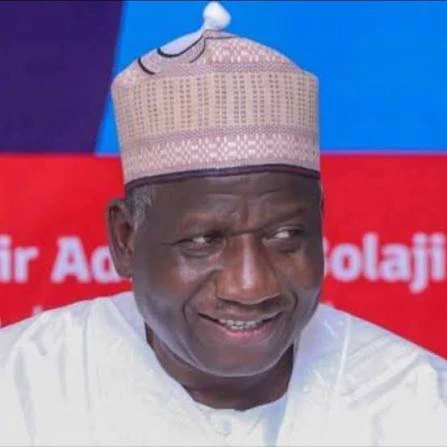
Chairman of the Action Democratic Party (ADP), Engineer Yabagi Yusuf Sani, has criticised the leadership of former President Muhammadu Buhari, arguing that his administration did not give sufficient attention to the question of who would succeed him and how the country would be governed after his departure from office.
Sani made the remarks during an interview with SYMFONI while reflecting on leadership, governance and the importance of succession planning in Nigeria’s political system.
According to him, Buhari’s shortcomings should not be assessed solely from the perspective of how his administration governed the country. Sani argued that one of the major weaknesses of the former president’s tenure was the absence of adequate planning for the transition to a successor who could effectively take the country forward.
“Muhammadu Buhari’s Biggest Failure Was Not Governance Alone; It Was Failing to Plan Properly for Who Would Succeed Him and Carry the Country Forward,” Sani said.
The ADP chairman explained that succession should form part of the responsibilities of every political leader. He argued that a president should look beyond the period of his own administration and consider the kind of leadership that would follow.
Sani noted that the policies and programmes introduced by one government can either be sustained and improved by its successor or significantly altered. In his view, the absence of a carefully considered succession strategy can therefore affect the continuity of national policies and development programmes.
He maintained that political leaders have a responsibility to consider the long-term consequences of their decisions. According to him, governing Nigeria should not be treated as an isolated assignment that begins and ends with a particular president’s tenure.
The ADP chairman further argued that succession planning could help preserve useful policies while also creating room for future administrations to address areas where their predecessors failed.
“A Leader Must Always Think About Who Will Succeed Him, Either to Continue His Legacy or Correct the Things He Failed to Do,” he said.
Sani stressed that a successor does not necessarily have to preserve every policy of a previous administration. Instead, he said a new government should have the freedom to examine existing programmes, retain what works and make necessary adjustments where shortcomings are identified.
He added that such an approach could encourage leaders to think beyond their personal political interests and focus more on the long-term development of the country.
COURTESY: Kwale_News
