
A D V E R T O R I A L X-Raying The Transformative Leadership Of Governor Nasir Idris In 2025

By Ibrahim Abubakar Jombali, Special Adviser on Public Enlightenment and Orientation to the Executive Governor of Kebbi State
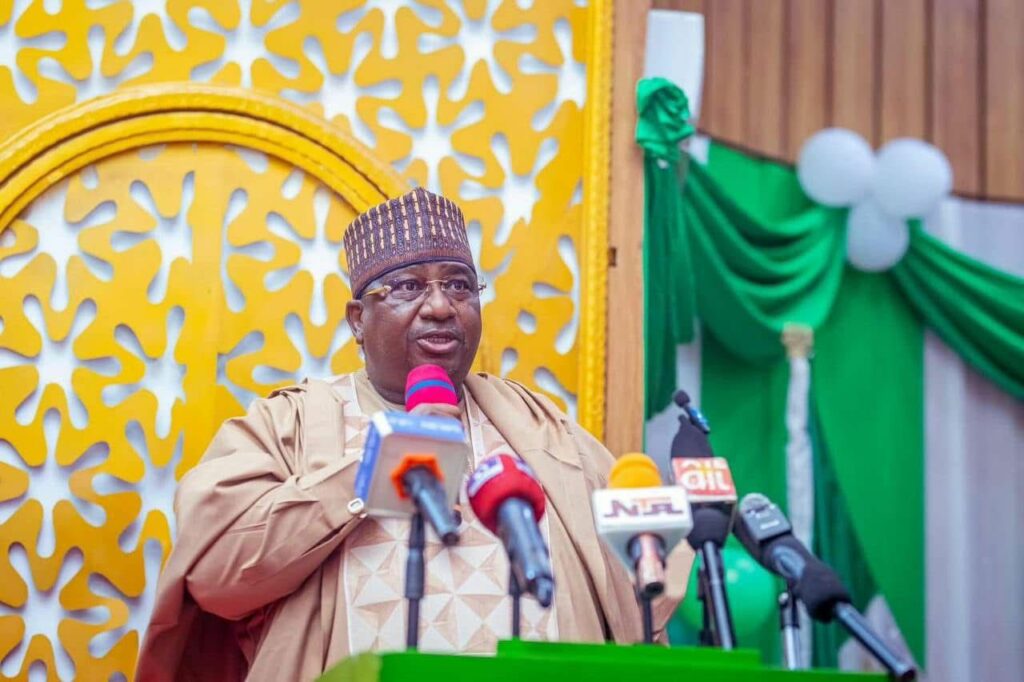
Kebbi has always been excused from political drama or sweeping economic narratives. Since inception, it occupied a quiet corner of Nigeria’s development map, its fortunes constrained by underinvestment, and a national gaze fixed elsewhere. Yet 2025 has unsettled this familiar storyline. Under Governor Nasir Idris, Kebbi has undergone a subtle but substantive transformation, the kind that rarely makes headlines but permanently alters lived experience. The change has been neither accidental nor theatrical. It is the product of a leadership style that privileges practicality over spectacle and treats governance as a matter of human outcomes rather than political choreography.
Idris’s background as a teacher and labour leader is more than biographical trivia. It has shaped his governing philosophy, one premised on the notion that public policy must first demonstrate its utility to everyday citizens. Nowhere is this more visible than in the state’s educational revival. After many years of grappling with dilapidated buildings, congested classrooms, and widespread disillusionment, Kebbi’s schools have begun to show signs of rebirth. The administration’s rehabilitation drive, coupled with the strategic expansion of facilities, has shifted the system from decay toward functionality. More importantly, the governor’s insistence on prioritising teacher welfare has restored dignity to a profession often treated as peripheral. Removing financial barriers to education, through examination fee waivers and direct support to tertiary students, signals an understanding that access, not aspiration, is the real bottleneck. The result is a population gradually rediscovering confidence in the idea that schooling can unlock social mobility.
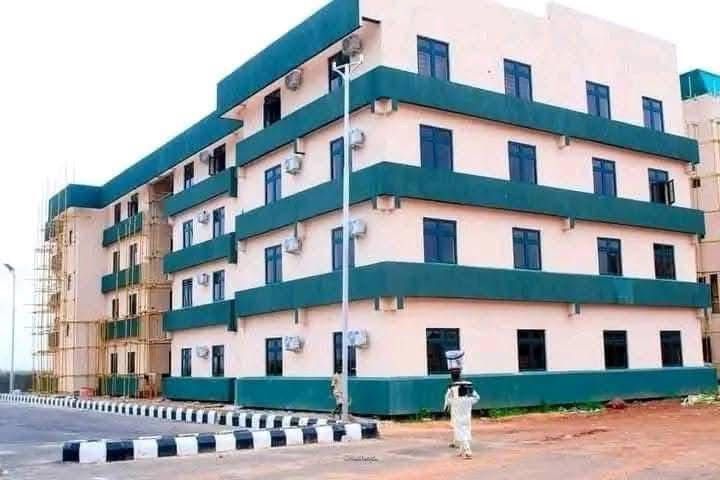
A similar sensibility informs the state’s healthcare reforms. Chronic understaffing, once a defining feature of Kebbi’s health system, has given way to a more stable workforce following the recruitment and absorption of hundreds of professionals. Modernised facilities now sit closer to communities long consigned to distance and deprivation. The shift is not revolutionary, but it is resolutely humane: healthcare as a public entitlement rather than a discretionary benefit. The commendations that followed, including an award for healthcare delivery and human capacity development, reflect more than bureaucratic achievement. They indicate that Kebbi has started to meet the basic expectations of a functional state.
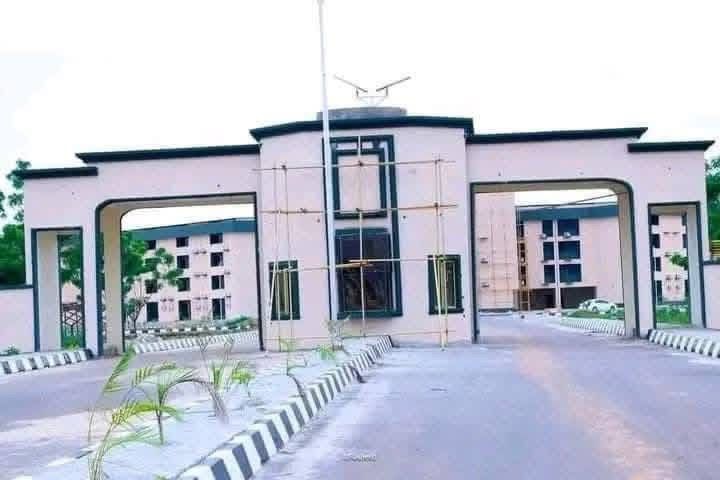
In the civil service, the only veteran unionist turned reformist leader has crowned his tenure with the completion of a befitting State Secretariat; sustained and enhanced the regular payment of salaries and allowances; approved a continuous stream of capacity-building workshops and seminars; and ensured the prompt settlement of gratuities and death benefits as and when due.
As an educator by training, the Governor extended the years of service for teachers from thirty to thirty-five, strengthened their welfare, and provided a more conducive and dignified environment for effective teaching and learning.
Economic policy in 2025 has been equally utilitarian. The decision to lift the minimum wage to 75,000 naira, well above national norms, is unusually assertive by subnational standards. It signals a governor confident in the stimulus potential of increased household income and unafraid of the fiscal scrutiny such a move invites. Infrastructure investments have followed a similar logic. Instead of grandiose projects, the administration has focused on practical networks of rural and urban roads that enable farmers to reach markets and students to reach schools and traders to reach opportunities. Empowerment programmes directed at young people, women, persons with disabilities and small entrepreneurs extend the same philosophy: development as inclusion rather than patronage.
Even in areas that resist quantification, Idris’s imprint is visible. His engagement with traditional institutions and his emphasis on social cohesion represent a belief that governance must speak the cultural language of its citizens. Kebbi in 2025 feels more unified not because old divisions have dissolved but because leadership has acknowledged them with respect rather than neglect. The unexpectedly strong performance in the year’s Hajj operations, which earned eight international commendations, demonstrates a parallel commitment to administrative rigour. It is a small but telling example of a bureaucracy capable of managing complex tasks with competence.

On Education, Kauran Gwandu administration has placed learning at the heart of its development blueprint, expanding access to quality education. For the first time in 20 years, 2000 teachers were recruited, from renovation of dilapidated classrooms to the establishment of four mega boarding secondary schools, more than 200 new schools has risen, while 320 others renovated.
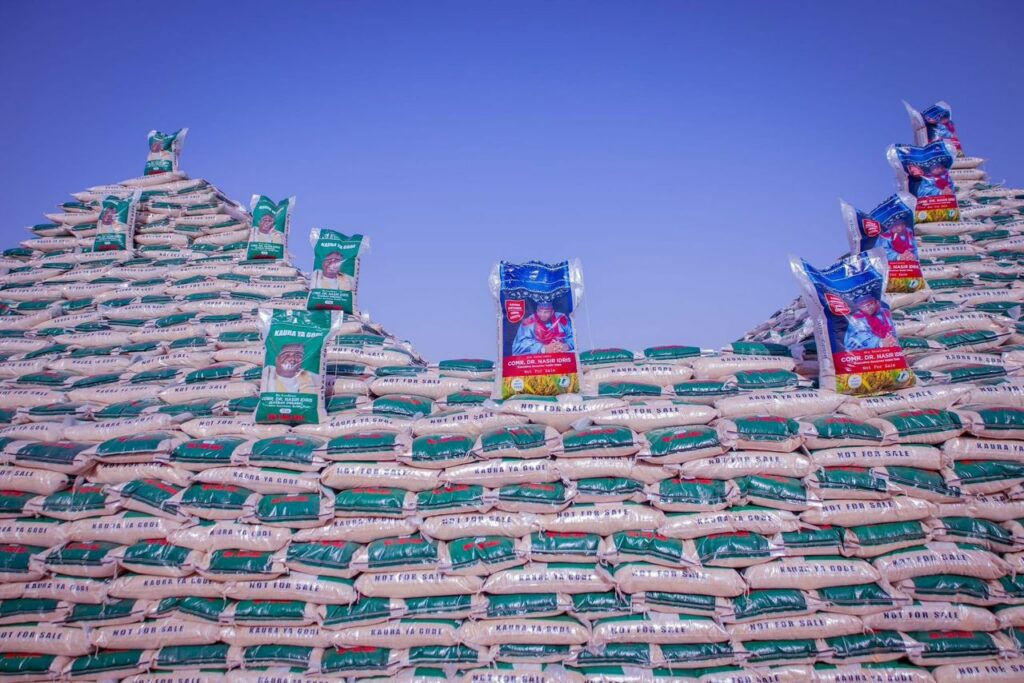
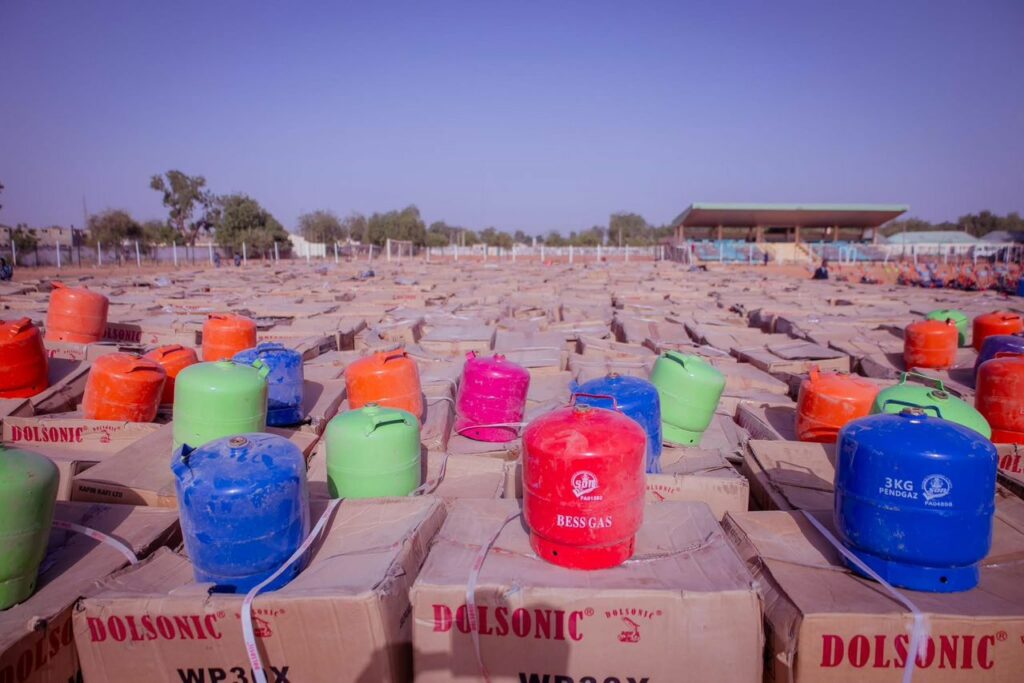
In agriculture, the lifeblood of kebbi, Governor Idris has kept faith with farmers , distributing hundreds truck loads of fertilizer, insecticides, herbicides, power tillers, solar powered water pumps machines, CNG and petrol pumps, seedlings , annually and free of charge to farmers- a bold, people first move that not only enhances productivity but also speaks to his vision of food sufficiency and economic resilience.
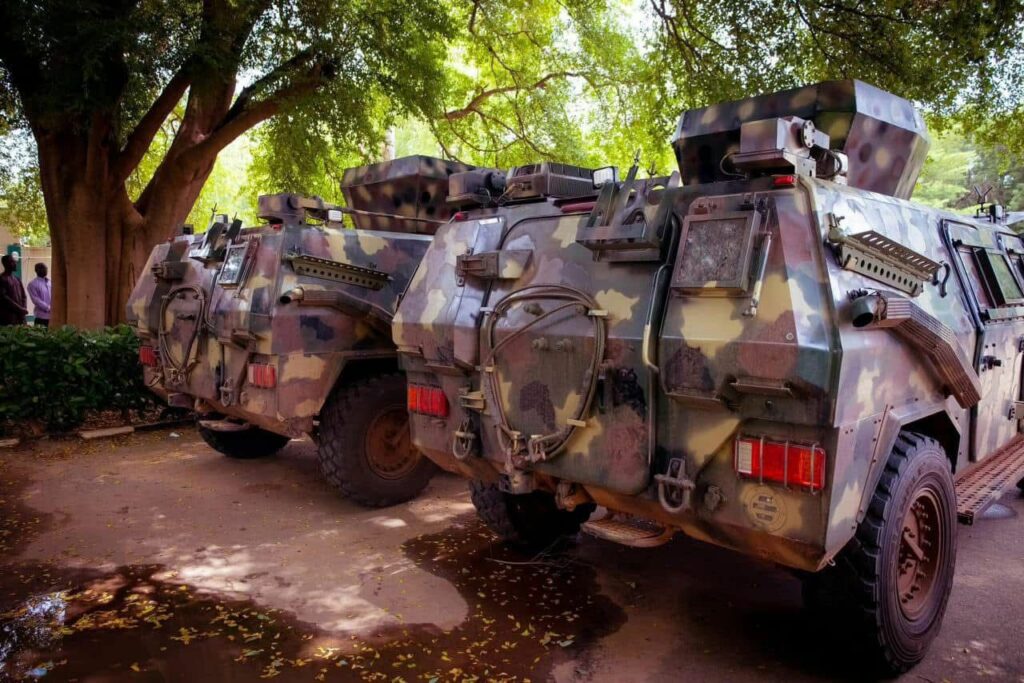
On security: Kauran Gwandu has embedded security into the DNA of his administration. His strategy blends firmness with foresight. He strengthened synergy between state and federal security agencies, empowered local vigilante groups and backed them with logistics and mobility support. Known to have provided more than 100 brand new Toyota Hilux more than 2000 motorcycles, in October alone , the state government donated six patrol vehicles and 30 motorcycles, in November also donated another ten new Toyota vehicles and in December released another four Toyota Hilux to mobile police force and also facilitated the securing of set of armored personnel carriers to security formations, ensuring rapid response across Kebbi’s vast terrain.
The swift rescue operation of abducted maga schools girls has been acknowledged as unprecedented courtesy of Governor Nasir Idris Kauran Gwandu proactive to security situation in the state.
The Kauran Gwandu Mosque Project launched in 2025 is renovating 130 mosques, it builds on the earlier reconstruction of 100 mosques, empowered more than 100 mosques with solar lights and during Ramadan more than 300 trucks of palliatives rolled across the state.
Governor Nasir Idris has turned Birninkebbi town to what many people calls a “ glorified local government Headquarters “ in to a modern dignified state capital- a city wearing the confident look of development .
What emerges from Kebbi’s 2025 experience is not a tale of radical reinvention but of incremental progress pursued with unusual commitment and consistency. With only Kebbi State in mind, Idris redused to attempt a redefinition of the state’s political identity. In a positive manner, he has focused on the mundane but vital business of repairing systems, improving services, and restoring public confidence. In a country where governance often oscillates between overpromising and underdelivering, Kebbi offers a quiet counterexample: that meaningful progress is achievable when leadership marries intent with execution.
The year will be remembered less for grand announcements than for the accumulation of actions that improved daily life: classrooms no longer collapsing, clinics no longer understaffed, wages no longer inadequate, roads no longer impassable. It is a portrait of governance rendered in the concrete rather than the rhetorical. For Governor Nasir Idris, the achievement is not political. it is societal. He promised hope, but more unusually, he delivered it.
Nasir Idris is a renowned labour activist and a teacher of long-standing. He understands the full meaning of every letter in his contract with the people of kebbi state, and he is completely prepared to stand by it, work on it and deliver on his mandate to the satisfaction of those who gave him the mandate, the good people of kebbi state. The next two years promises to usher in more good news of progress, development, peace, and unity in the Land of Equity. Such is the work of a progressive leader.
