

Reaching your 50s is an important stage of life, and it can be a good time to pay closer attention to everyday habits that affect your long-term health. Getting older does not mean you suddenly have to stop eating your favorite foods. However, the risk of conditions such as high blood pressure, type 2 diabetes, heart disease and loss of muscle and bone strength generally increases with age. What you regularly eat and drink can therefore become increasingly important.
If you’re 50 or older, here are 10 things worth limiting or avoiding to support healthier aging:
1. Too Much Added Sugar
Frequently consuming foods and drinks containing large amounts of added sugar can contribute to excess calorie intake, weight gain, tooth decay and difficulty managing blood sugar.
Sugary soft drinks, sweetened juices, sweets, cakes and many packaged snacks can contain substantial amounts of added sugar.
Instead, make foods such as fruits, vegetables, whole grains and other minimally processed foods a bigger part of your diet.
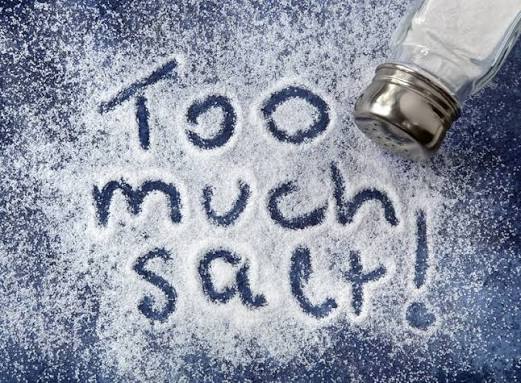
2. Excessive Salt
Eating too much sodium can contribute to high blood pressure, an important risk factor for heart disease and stroke.
A surprising amount of sodium can come from packaged foods, processed meats, instant noodles, sauces and restaurant meals rather than simply the salt added while cooking.
People with high blood pressure, kidney disease or certain heart conditions may need particularly careful sodium management under medical guidance.
3. Too Much Alcohol
Alcohol can affect the liver, heart, brain and other organs. It can also interact with medicines, which becomes particularly relevant as people get older and may take more medications.
Drinking less alcohol reduces health risks. People who do not currently drink alcohol should not start drinking because they believe it provides health benefits.
4. Cigarettes and Other Tobacco Products
Unlike many foods on this list, smoking is something worth stopping rather than simply reducing.
Smoking increases the risk of lung cancer, heart disease, stroke, chronic obstructive pulmonary disease and several other serious conditions.
Quitting can provide health benefits even for someone who has smoked for many years. People struggling to stop can speak with a healthcare professional about treatments and support that can improve their chances of quitting successfully.
5. Too Many Fried Foods
Frequently eating deep-fried foods can add large amounts of calories and unhealthy fats to your diet.
Rather than making fried foods an everyday habit, consider cooking methods such as grilling, baking, steaming or roasting more often.
This doesn’t mean someone over 50 can never enjoy fried food. The important issue is how frequently it is consumed and what the person’s overall diet looks like.
6. Foods High in Saturated Fat
Saturated fat can raise LDL cholesterol levels, and elevated LDL cholesterol is associated with a higher risk of cardiovascular disease.
Foods containing significant saturated fat can include fatty meats, butter, full-fat dairy products and certain highly processed foods.
Replacing some saturated fats with unsaturated fats from foods such as fish, nuts, seeds and appropriate vegetable oils can be beneficial for heart health.
7. Large Amounts of Processed Meat
There is no medical rule saying everyone must completely stop eating red meat after turning 50.
However, regularly eating large amounts of processed meats such as sausages, bacon, hot dogs and some processed deli meats is associated with increased health risks, including colorectal cancer.
When eating meat, consider reasonable portions and include other protein sources such as fish, beans, lentils, poultry, nuts and seeds.
8. Highly Processed Foods
Many highly processed foods contain large amounts of sodium, added sugar or saturated fat while providing relatively little fiber and other important nutrients.
Examples can include certain packaged snacks, instant meals, sweets and fast foods.
As you age, emphasizing nutrient-rich foods becomes particularly important. Fruits, vegetables, whole grains, beans, fish, lean proteins, nuts and seeds are generally better everyday choices.
9. Excessive Caffeine
You don’t necessarily have to give up your morning coffee because you’ve turned 50.
Moderate caffeine intake is generally tolerated by many healthy adults. However, excessive amounts can cause problems such as difficulty sleeping, nervousness, headaches or a rapid heartbeat in some people.
Caffeine can also affect individuals differently, so people who experience unwanted symptoms should consider reducing their intake and discussing persistent symptoms with a healthcare professional.
10. Too Much Junk Food
Regularly eating fast food, sweets, sugary beverages, chips and other foods high in calories but relatively low in essential nutrients can make maintaining a healthy diet more difficult.
Instead of completely banning every treat, focus on making nutritious foods the foundation of your everyday meals and keeping less nutritious options occasional.
What About Eggs?
Contrary to a common misconception, healthy adults do not generally need to limit themselves to only two eggs per week simply because they are over 50.
Eggs provide protein and several important nutrients. How many are appropriate can depend on your overall diet and individual health circumstances.
People with high cholesterol, cardiovascular disease, diabetes or other medical conditions should follow dietary recommendations provided by their healthcare professional.
Final Thoughts
Turning 50 does not mean you need an extremely restrictive diet. The goal is to make healthier choices more consistently.
Reducing added sugar, excess sodium, processed meat, highly processed foods, excessive alcohol and unhealthy fats while eating more vegetables, fruits, whole grains and quality protein sources can contribute to healthier aging.
Regular physical activity, adequate sleep, maintaining a healthy weight and attending appropriate health screenings are also important.
Disclaimer: This information is for general educational purposes and does not replace personalized medical advice from a qualified healthcare professional.
COURTESY: nigeriamedia.com.ng
